
CBD oil has quickly become a popular choice for people looking to support everyday wellness naturally. But as you explore different products, you’ll often notice a price difference—especially between organic CBD oil and regular CBD oil.
This raises an important question: is organic CBD oil really worth the extra cost, or is it just a marketing label?
In this guide, we’ll break down the differences in a simple, practical way so you can decide what suits your needs, budget, and lifestyle.
What Is Organic CBD Oil?
Organic CBD oil is made from hemp plants that are grown without synthetic pesticides, herbicides, or chemical fertilizers. The farming process follows organic agricultural practices that focus on natural growth and soil health.
Because hemp is a bioaccumulator (it absorbs substances from the soil), organic farming plays a big role in ensuring cleaner raw material.
How Organic CBD Oil Is Produced
The process begins with organically grown hemp. After harvesting, manufacturers typically use clean extraction methods like CO2 extraction to preserve the plant’s beneficial compounds.
Key Features of Organic CBD Oil
- Free from harmful chemicals and pesticides
- Often non-GMO and sustainably grown
- Typically tested for purity and quality
- May contain a richer cannabinoid and terpene profile
What Is Regular CBD Oil?
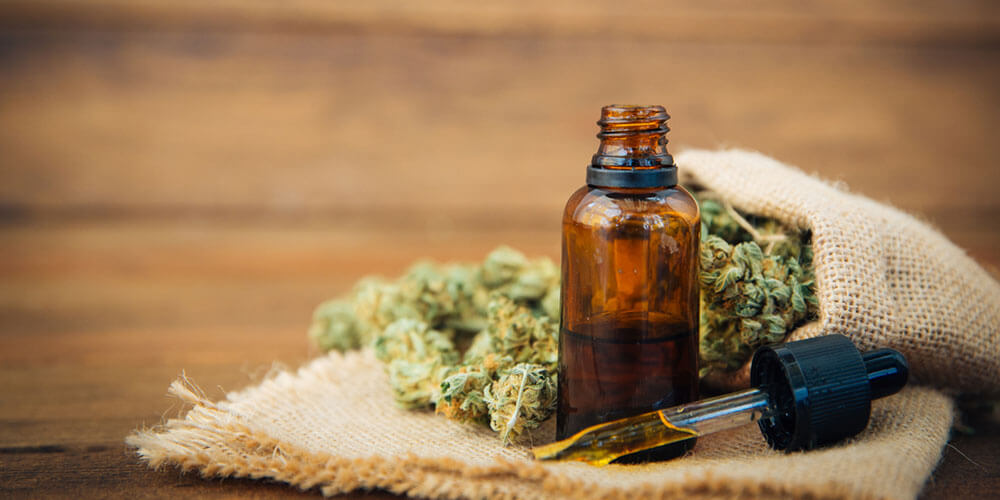
Regular CBD oil is also derived from hemp, but the plants may be grown using conventional farming methods. This means synthetic fertilizers or pesticides might be used during cultivation.
It doesn’t necessarily mean the product is unsafe, but the quality can vary depending on how the hemp is grown and processed.
How Regular CBD Oil Is Made
The extraction process is often similar to organic CBD oil. However, the difference lies mainly in how the hemp is cultivated.
Key Features of Regular CBD Oil
- More widely available
- Usually more affordable
- Quality depends on sourcing and manufacturing standards
- May still be tested, but standards can vary
Organic CBD Oil vs Regular CBD Oil: Key Differences
Understanding the real differences helps you make a smarter purchase decision.
Farming Practices
Organic CBD oil comes from hemp grown without synthetic chemicals, while regular CBD oil may come from conventionally farmed hemp.
Purity and Cleanliness
Organic products are generally considered cleaner because they avoid chemical exposure during cultivation.
Regular CBD oil can still be safe, but it depends heavily on the brand’s testing and quality control.
Environmental Impact
Organic farming tends to be more eco-friendly, promoting soil health and reducing chemical runoff.
Conventional farming methods may have a higher environmental impact due to chemical usage.
Price Difference
Organic CBD oil is often more expensive due to stricter farming practices, certifications, and lower yields.
Regular CBD oil is usually more budget-friendly and accessible.
Benefits of Organic CBD Oil
Organic CBD oil is often preferred by people who prioritize clean and natural products.
Cleaner Product
Since it’s grown without synthetic chemicals, there’s less risk of unwanted residues.
Better for Sensitive Users
People who are cautious about what they consume may feel more comfortable choosing organic options.
Supports Sustainable Farming
Choosing organic products can also support environmentally friendly agricultural practices.
Benefits of Regular CBD Oil
Regular CBD oil still offers value, especially for beginners or budget-conscious users.
More Affordable Option
It’s a good starting point for those who want to try CBD without spending too much.
Widely Available
Regular CBD products are easier to find in stores and online.
Can Still Be High Quality
Many reputable brands follow strict testing standards even if their products are not certified organic.
Is Organic CBD Oil Worth the Price?
The answer depends on your personal priorities.
When Organic CBD Oil Makes Sense
If you prefer natural, chemical-free products and are willing to invest in higher quality, organic CBD oil can be worth the extra cost.
It’s also a good choice if you plan to use CBD regularly and want a cleaner long-term option.
When Regular CBD Oil Is Enough
If you’re just starting out or working with a budget, regular CBD oil can still be effective—especially if you choose a trusted brand with proper lab testing.
How to Choose the Right CBD Oil
Instead of focusing only on “organic vs regular,” it’s important to evaluate overall quality.
Check Third-Party Lab Reports
Always look for products that provide lab testing results. These reports confirm cannabinoid content and ensure the product is free from contaminants.
Look at Ingredient Transparency
High-quality CBD oil should have clear labeling, including ingredients, extraction method, and source of hemp.
Consider Your Usage
If you plan to use CBD daily, investing in organic may offer peace of mind. For occasional use, regular CBD oil may be sufficient.
Common Myths About Organic CBD Oil
There are a few misconceptions worth clearing up.
Organic Always Means More Effective
Organic CBD oil may be cleaner, but it doesn’t necessarily mean it’s more potent or effective than regular CBD oil.
Regular CBD Oil Is Unsafe
Not all regular CBD oil is low quality. Many brands maintain high standards even without organic certification.
Higher Price Guarantees Better Results
Price alone doesn’t determine effectiveness. Always check product quality, sourcing, and lab testing.
Read Also : CBD Oil and Its Potential Benefits for Women’s Health
Final Thoughts
Organic CBD oil and regular CBD oil both have their place in the wellness world. The main difference lies in how the hemp is grown and the level of purity you can expect.
If having a clean, eco-friendly product is important to you, organic CBD oil may be worth the investment. On the other hand, regular CBD oil can still be a reliable and effective option when sourced from reputable brands.
At the end of the day, the best choice is the one that fits your lifestyle, preferences, and budget. By understanding these differences, you can confidently choose a CBD product that supports your everyday wellness journey.