
As CBD continues its rise in popularity, manufacturers are innovating new formulations designed to enhance its effects. Two of the most common formats on the market are standard CBD oil and nano-CBD. While both deliver cannabidiol, they differ in how the body absorbs and utilizes this compound. Understanding these differences can help you choose the right product for your wellness goals.
Understanding the Basics of CBD Formulations
Cannabidiol (CBD) is a lipophilic molecule, meaning it dissolves in fat but not water. Traditional CBD oils mix the cannabinoid with carrier oils like MCT or hemp seed oil. Nano-CBD, on the other hand, uses nanotechnology to break CBD particles down into tiny droplets—often under 100 nanometers in diameter—that are water-soluble. This fundamental distinction drives differences in absorption, onset time, and overall efficacy.
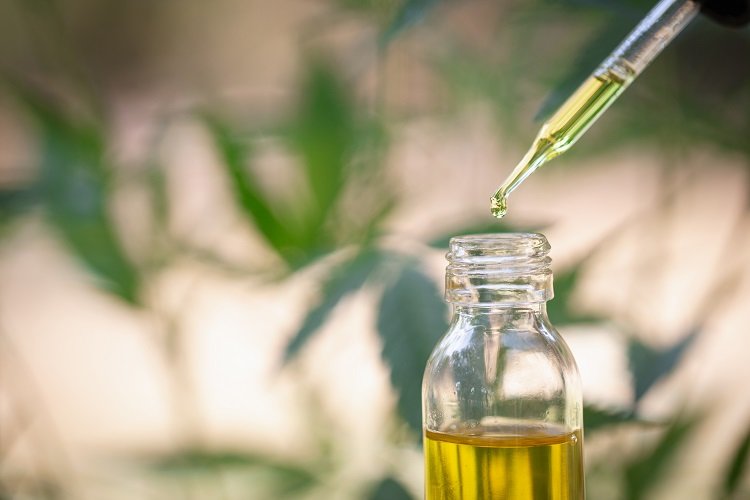
What Is Regular CBD Oil?
Regular CBD oil is a full-spectrum, broad-spectrum, or isolate product blended with a fatty carrier. Upon ingestion, the CBD must travel through the digestive tract, resist breakdown by stomach acids, and pass through the liver before entering the bloodstream. This “first-pass” metabolism means only a fraction of the ingested CBD—typically 6–15%—reaches systemic circulation, a measure known as bioavailability.
What Is Nano-CBD?
Nano-CBD employs processes like high-pressure homogenization or ultrasonication to create nanoemulsions, breaking CBD-carrier oil mixtures into extremely small droplets. These nano-sized particles suspend in water more readily, enabling faster absorption through the intestinal lining and even direct uptake in the mouth. Reported bioavailability for nano-CBD ranges from 30% to as high as 50%, significantly surpassing that of regular CBD oil.
Comparing Absorption Rates and Onset Times
One of the primary advantages of nano-CBD is its enhanced absorption and faster onset. However, individual factors like metabolism, dose, and administration route still play a role.
Bioavailability: How Much CBD Actually Reaches You?
- Regular CBD Oil: After oral ingestion, roughly 6–15% of the dose is bioavailable due to first-pass liver metabolism.
- Nano-CBD: Nanoemulsions can achieve 30–50% bioavailability, as the small particle size facilitates bypassing some digestive barriers and reduces metabolic loss.
Higher bioavailability means you may need a smaller dose of nano-CBD to achieve the same blood concentration as a larger dose of regular CBD oil.
Onset Time: Feeling Effects Faster
- Regular CBD Oil: Effects typically appear 45–90 minutes after ingestion, with peak levels around two to three hours.
- Nano-CBD: Many users report feeling effects within 15–30 minutes, as nanoparticles expedite absorption in the gastrointestinal tract and sublingual tissues.
Faster onset is especially beneficial for acute issues like sudden stress, pain flare-ups, or sleep disturbances.
Efficacy and Dosing Considerations
Enhanced absorption and quicker onset can improve CBD’s efficacy, but proper dosing remains essential for both formats.
Finding the Right Dose
Because nano-CBD delivers more cannabidiol into your system, starting doses should be adjusted downward relative to regular CBD oil guidelines. For example, if you typically take 20 mg of standard CBD oil, a 10–15 mg nano-CBD dose might achieve comparable effects. Always begin with the lowest recommended dose and increase gradually based on your response.
Consistency and Potency
Look for products with third-party lab testing that verifies CBD concentration and nanoemulsion quality. Transparency in labeling ensures you know exactly how much CBD you’re getting per milliliter and whether the nanoemulsion maintains stability over time.
Formulation Methods and Quality Factors
Not all nanoCBD products are created equal. The method of nanoemulsion and overall quality standards impact stability, taste, and effectiveness.
Nanoemulsion Techniques
- High-Pressure Homogenization: Forces the CBD mixture through tight chambers at high pressure, reducing droplet size.
- Ultrasonication: Uses sound waves to break particles apart, creating a fine emulsion.
- Microfluidization: Uses microchannels to shear molecules into uniformly small droplets.
Each method requires precise temperature control and surfactant selection to produce a stable, long-lasting nanoemulsion that resists separation or oxidation.
Carrier Oils and Additives
Premium nano-CBD products use high-quality carrier oils, natural emulsifiers, and minimal preservatives. Avoid formulations with excessive artificial flavors or unnecessary fillers, which can compromise both effectiveness and health.
Applications and Use Cases
Different delivery formats suit various use cases, from daily wellness maintenance to managing specific symptoms.
Daily Wellness and Preventive Care
For general anxiety management, sleep support, or chronic pain, nano-CBD’s steady, efficient absorption may offer more consistent symptom control. Regular CBD oil still provides benefits but may require higher or more frequent dosing to maintain stable blood levels.
Acute Symptom Relief
When quick relief is needed—such as acute migraine, sudden stress, or breakthrough pain—nano-CBD’s rapid onset can be superior to regular CBD oil. Fast-acting nanoemulsions allow you to address symptoms within minutes rather than waiting up to two hours.
Potential Drawbacks and Considerations
While nano-CBD has clear advantages, there are considerations to keep in mind.
Cost and Availability
Nano-CBD formulations often command premium prices due to advanced processing requirements. Budget-conscious users might find standard CBD oil more affordable, even if it means adjusting dose and timing.
Regulatory and Safety Profiles
As nanotechnology in CBD is relatively new, long-term safety studies are limited. Ensure products you choose comply with Health Canada regulations (or your local authority) and have comprehensive testing for contaminants and nanoparticle safety.
Integrating CBD into Your Routine
Whether you opt for nano-CBD or regular CBD oil, integrating it thoughtfully into your wellness routine optimizes benefits.
Administration Tips
- Consistency: Take your chosen CBD product at the same time each day to maintain steady plasma levels.
- Sublingual Use: Holding oil under the tongue for 60 seconds enhances sublingual absorption, particularly useful for nanoCBD.
- With Food: Consuming with a meal containing healthy fats can further improve absorption for both formats.
Monitoring Your Response
Keep a simple journal logging dosage, timing, and symptom relief. Note any side effects—dry mouth, mild sedation, or digestive upset—and adjust accordingly. Regular check-ins with a healthcare provider ensure safe and effective use.
Read Also : CBD Oil: A Game-Changer for Athletes
Conclusion
Nano-CBD and regular CBD oil each offer unique advantages. Regular CBD oil is a well-established, cost-effective choice for daily wellness, whereas nano-CBD’s advanced absorption and rapid onset cater to users seeking efficient, targeted relief with lower doses. By understanding bioavailability differences, dosing strategies, and formulation quality factors, you can select the CBD format that best aligns with your health goals and lifestyle. As research into nanotechnology and cannabinoid pharmacokinetics advances, consumers will continue to benefit from more precise, effective hemp-derived therapies.